

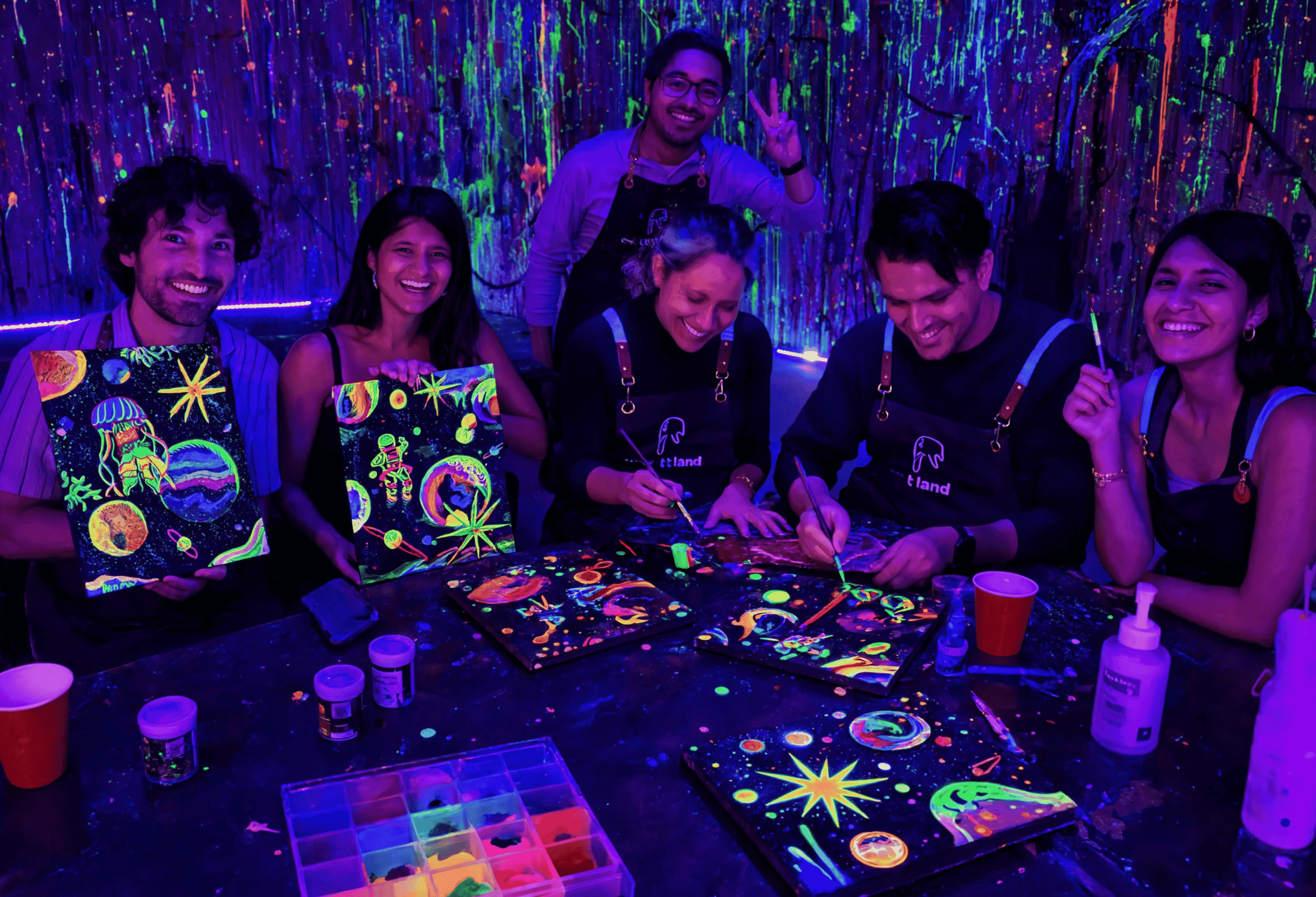
The team building activities that actually work share three things: real collaboration or creation rather than forced fun, a level playing field where job title stops mattering, and something to show for it at the end. Creative, hands-on formats like art, cooking, and building tend to beat trust falls and conference-room icebreakers, because everyone takes part and no one gets put on the spot. In New York City, most in-person activities run about $50 to $150 per person and last one to two hours. This page covers the activities worth booking, how to match one to your team’s goal, what each costs, and how to run it so it does not flop.
|
The team sessions that land all feel like the clip here: hands busy, people talking, and no one put on the spot. That is the difference between an activity people enjoy and the kind they dread. Below are the formats worth booking, how to match one to your goal, what they cost in NYC, and how to run one so it does not flop. |
Why Most Team Building Flops
When people hear “team building,” many brace for something awkward, and they are often right. The activities that fail share a pattern. They feel mandatory rather than fun. They single people out, through public sharing or a competitive format that exposes who is shy or unathletic. They have no real collaboration, just parallel play in the same room. And they end with nothing, no shared win, no result, nothing to point at afterward.
The ones that work flip each of those. They feel voluntary even when they are not, because they are genuinely good. They level the room, so a new hire and a director are on equal footing. They require people to actually work or create together. They stay short. And they end with a result, a finished dish, a solved puzzle, a painting on the wall, that gives the day a point. Hold any activity up to those five tests before you book it.
The Activities That Actually Work
Each one below comes with what it is good for, the group size and time it needs, and how to run it well.
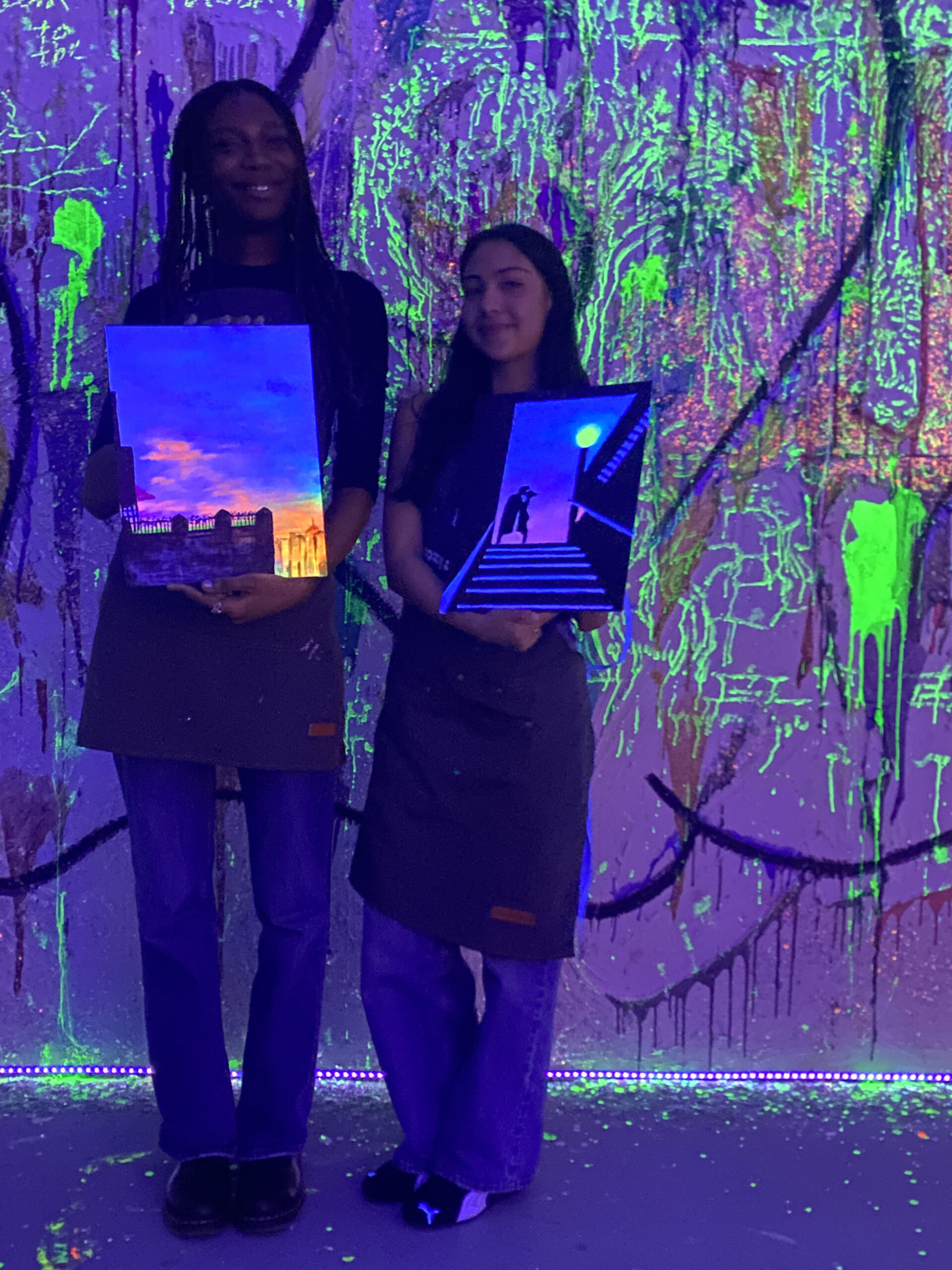
Creative art or paint workshop. An instructor leads the team through a painting or hands-on art project while people talk and create side by side. Best for mixed personalities and leveling rank, since no one’s job title helps them paint, and quieter team members do well because there is no spotlight. Plan 90 minutes to two hours for any group size that fits the room, and everyone leaves with something they made. Run it well by keeping it relaxed and skipping any “best painting” competition.
Cooking class or culinary competition. Teams cook a meal together or compete in a timed challenge judged at the end. Best for social bonding across mixed personalities, since food is a natural leveler. Works for groups of about 8 to 30 in 90 minutes to two hours. Run it well by splitting into small mixed teams so departments actually mingle rather than clustering with their usual desk neighbors.
Escape room. A themed room of puzzles the team must solve together against a clock. Best for communication and problem-solving under light pressure, which mirrors real work. Rooms usually fit 2 to 8, so a larger team splits across rooms and compares times. Run it well by mixing the groups deliberately, since the point is people who do not normally work together having to coordinate fast.
Improv workshop. A facilitator runs comedy and improvisation exercises built for groups, not performances. Best for communication, quick thinking, and getting people out of their comfort zone, and the skills carry back into meetings and presentations. Good for 10 to 30 over 60 to 90 minutes. Run it well by hiring a facilitator who works with companies, since a good one keeps it supportive rather than exposing.
City scavenger hunt. Teams race through a neighborhood solving clues and snapping photos. Best for mixing a larger group and folding in new hires, and it gets people outside. Scales to large headcounts in 90 minutes to two hours. Run it well by building mixed teams and keeping the clues light, since the goal is laughing together, not a stressful sprint.
Pottery or ceramics workshop. Hand-building or wheel throwing with an instructor, ending in a piece that gets fired and returned later. Best for a calm, tactile session that suits quieter teams and creative groups. Works for small to mid-size groups in about two hours. Run it well by setting the expectation that wobbly first pots are the fun, not a failure.
Trivia or board-game session. A hosted quiz or a set of cooperative games, often over food and drinks. Best for new teams and tight budgets, since it needs little setup and breaks the ice fast. Works at almost any size in 60 to 90 minutes. Run it well by choosing categories that do not favor one age group or background, so no one feels left out.
Build challenge. Teams build something to a brief, a cardboard boat, a spaghetti tower, or a charity bike that gets donated. Best for collaboration toward a clear goal, and the charity versions add meaning. Good for 10 to 40 in 90 minutes to two hours. Run it well by giving a real constraint and a deadline, since the pressure is what creates the teamwork.
Collaborative mural or group canvas. Each person paints a panel that joins into one large piece for the office wall. Best for creativity and a shared, visible result that stays around long after the day. Works for mid to large groups in about two hours. Run it well by planning the overall design first so the panels actually connect.
Volunteering or community day. The team works together on a service project, from a food bank shift to a park cleanup. Best for purpose, culture, and teams that care about mission. It needs more planning and coordination than a booked activity, so start earlier. Run it well by picking a cause the team genuinely cares about rather than a generic option.
For remote or hybrid teams, the same ideas adapt: a shipped cooking or art kit with a live online host, or an online escape room, keeps people who are not in the room part of the same activity rather than watching on a screen.
Match the Activity to Your Goal
The fastest way to choose is to start from what you want the day to do, not from what looks fun in a photo.
Why Creative and Hands-On Activities Work So Well
|
Across these options, the creative and hands-on ones are the most reliable for one reason: they include everyone. At an easel or a cooking station, your job title does not help you, so a new hire and a senior manager start level. There are no winners and losers, so quieter people are not exposed the way a competitive or athletic format can expose them. Everyone has their hands busy, which makes conversation easy without forcing it. And the calm, focused nature is a genuine break from a stressful week, which is part of why making art lowers stress, covered in our post on how creative time relieves stress. The take-home piece is the quiet bonus, since a painting or pot on a desk keeps the day alive longer than a group photo. |
|
How to Run Team Building That Does Not Flop
|
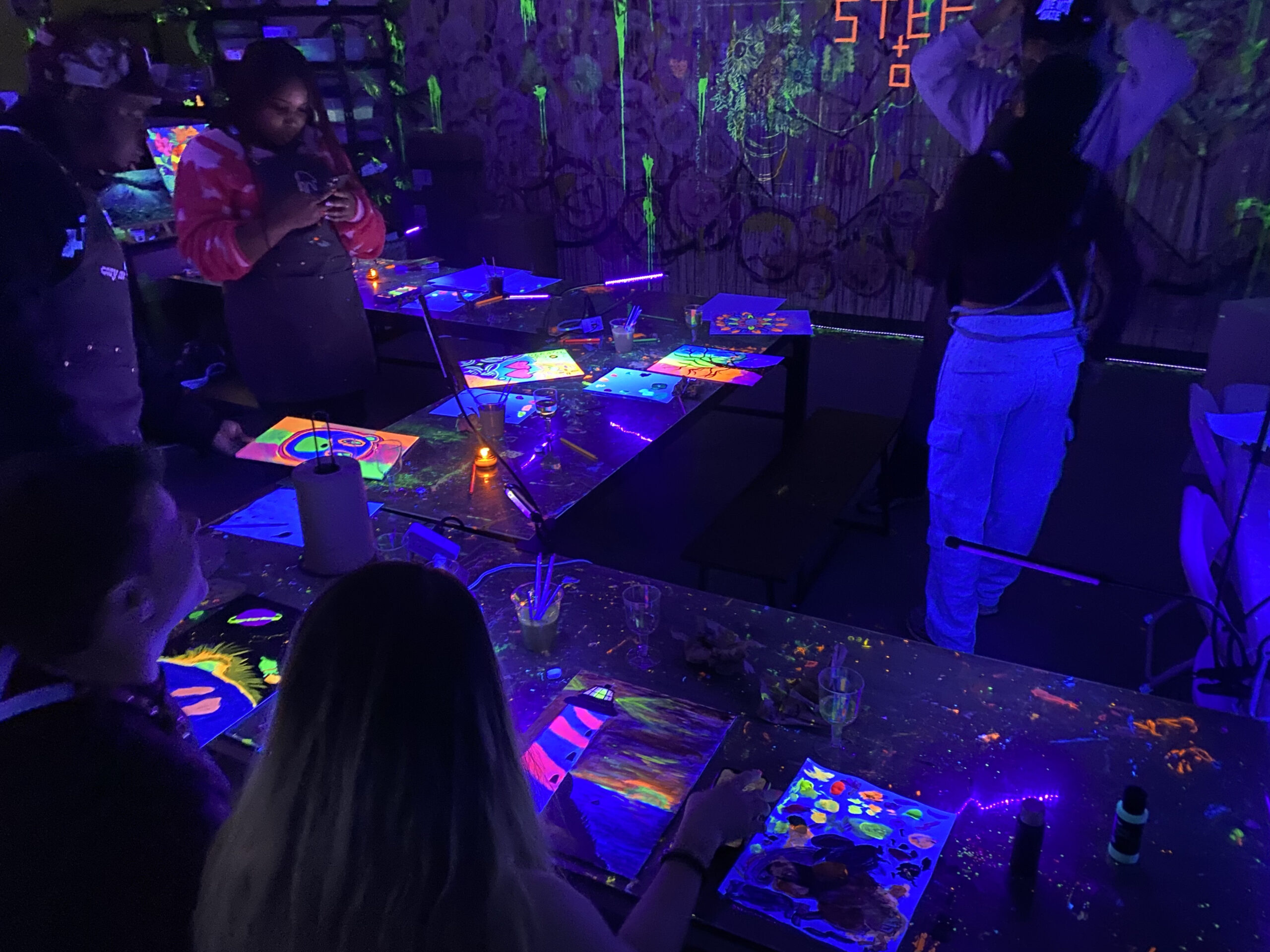
The activity matters less than how you run it. A few choices separate a good day from an awkward one. Make it feel optional, since people resent a mandatory good time, and give anyone a graceful way to sit out a part. Keep it short, since 60 to 120 minutes of a genuinely good activity beats a half-day that drags. Mix the groups on purpose, putting people who do not normally work together on the same team. Skip forced personal sharing, which is the fastest way to make people uncomfortable. Add a light debrief at most, not a corporate workshop. And time it with care, since a session squeezed into 6pm on a Friday reads as a chore no matter how good it is. |
What It Costs and How Long It Takes
Most in-person team building in New York City runs about $50 to $150 per person, with the format driving the number.
Art and paint workshops $40 to $75 · Escape rooms $35 to $50 · Cooking classes $75 to $150 · Large catered offsites move into the thousands overall.
Most activities themselves take 60 minutes to two hours, so a typical outing is a half-day once you add travel and a meal. For group size, escape rooms cap at small numbers per room, while art, cooking, and hunts scale to a full department.
Team Building for NYC and Hybrid Teams
|
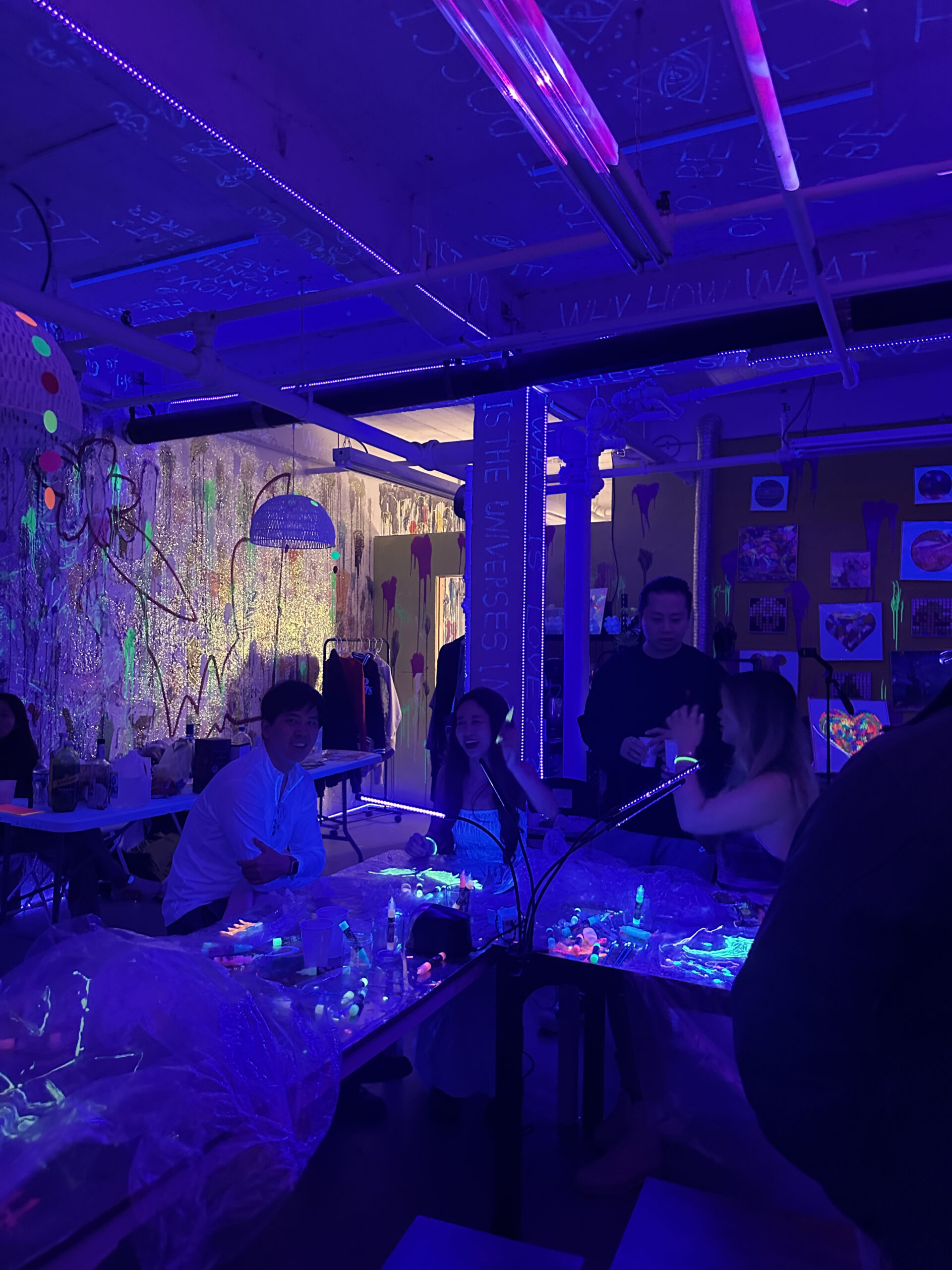
New York City makes in-person team building easy, with studios, kitchens, and escape rooms across Manhattan, Brooklyn, and Queens, many reachable by subway for a whole team. Long Island City is a practical base, a quick stop from Midtown on the E, M, and 7 trains, which keeps travel time low for a weekday afternoon session. Many art and cooking studios also run weekday corporate slots and can tailor the project to your team or even bring the activity to your office. For hybrid teams, look for a provider that runs the same activity for the room and for remote staff at once, through a shipped kit and a live host, so the people working from home take part rather than watch. Our own studio, Cozy Art Land in LIC, runs creative art sessions built for teams, with everything set up and the mess handled. |
|
Cozy Art Land Team Sessions
10-40 45th Avenue, #3F
Long Island City, NY 11101
🚇 Near Court Square and Vernon Blvd (E, M, G, 7)
Host-led canvas, glow, or mural puzzle · 60, 90, or 120 minutes · materials and cleanup included · priced by headcount
People Also Ask
Book a Creative Team Session in LIC
If you want an inclusive, low-pressure activity that levels the room and sends everyone home with something they made, Cozy Art Land runs creative art workshops for teams in Long Island City, set up and facilitated for you, with weekday corporate slots and custom projects.
Want help planning the right activity? Contact us.